D E V L O G
12/31 – End of the Year Update – version 0.6
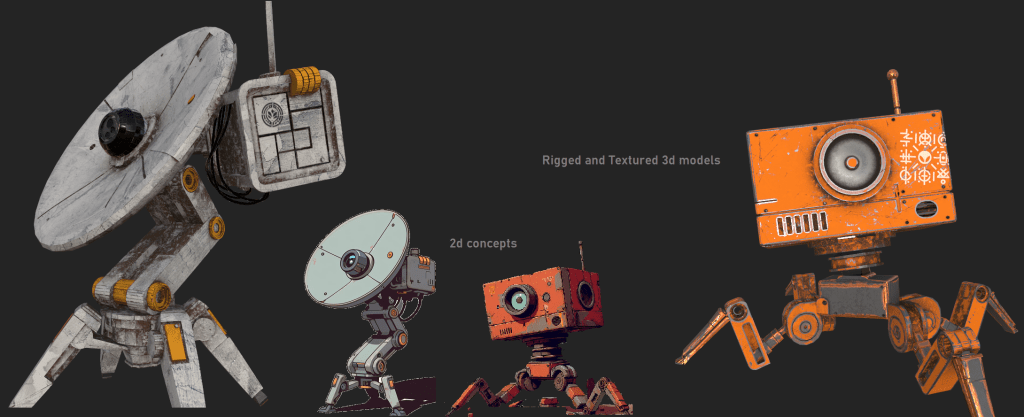
Back again with another update. Slowly, but surely, things are progressing, and I’m back to say I’m still alive and still chipping away at things. There’s a lot to reflect on here at the end of 2023. Recently, I crossed the threshold of 1,000 hours, in which I’ve learned languages, systems, pipelines, and then implemented them. Lets dive right into the things I learned and the progress I made this year.
3d Modeling Pipeline
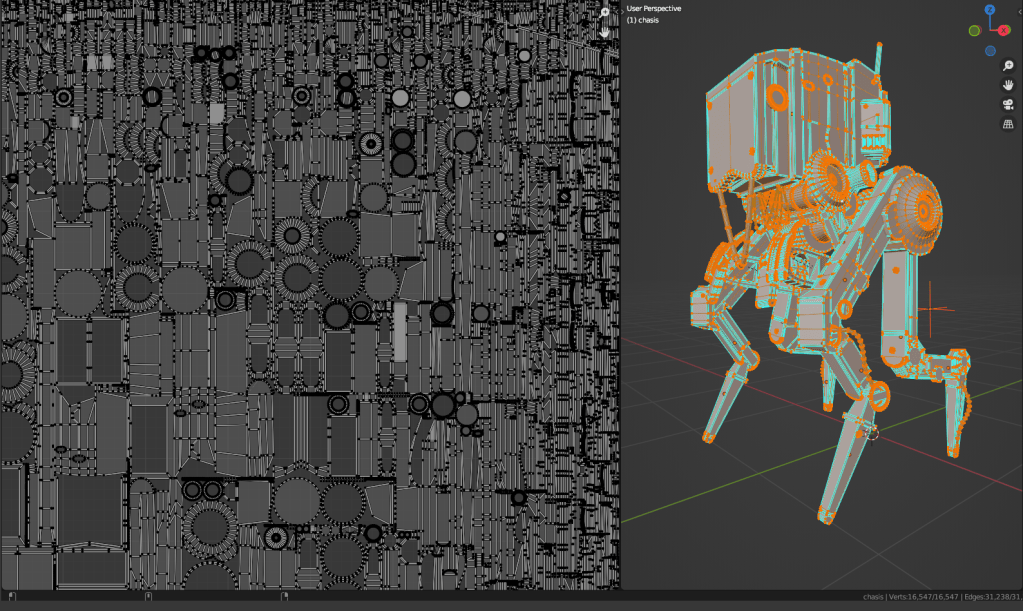
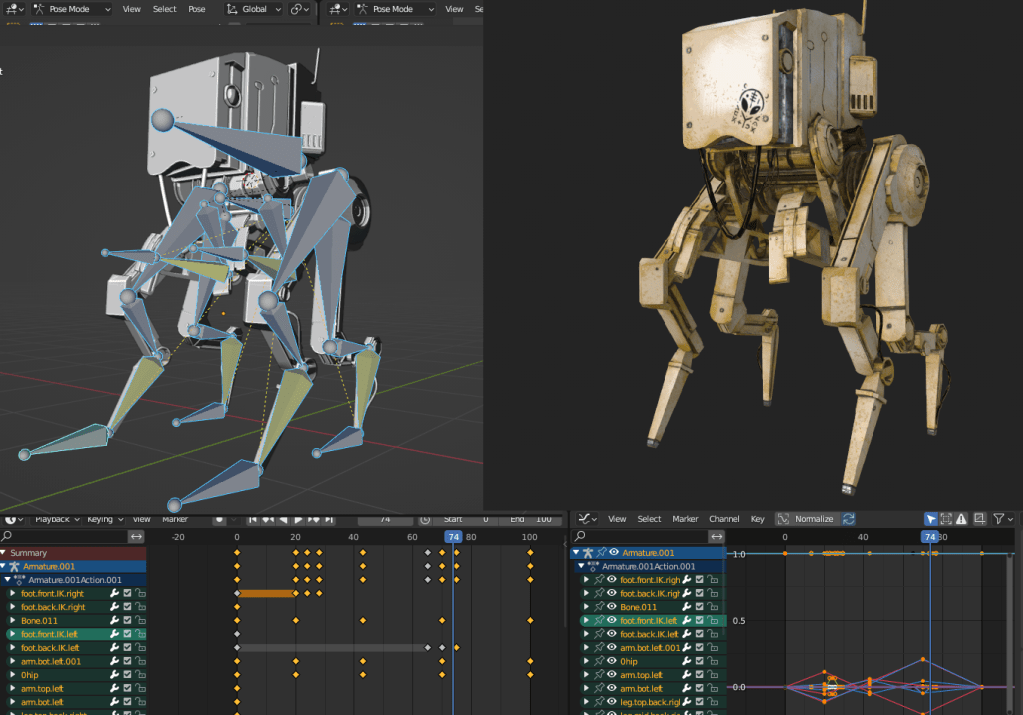
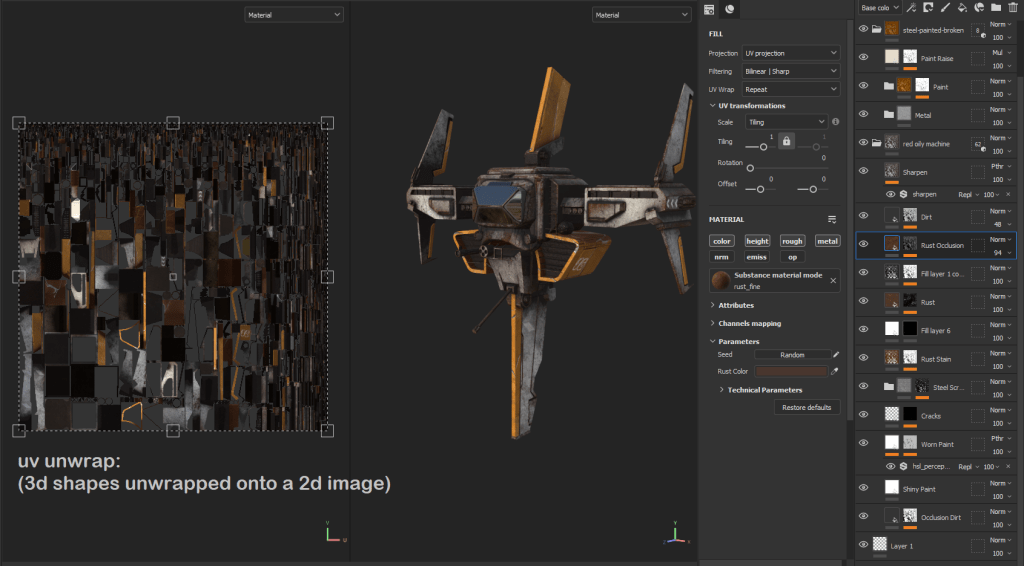
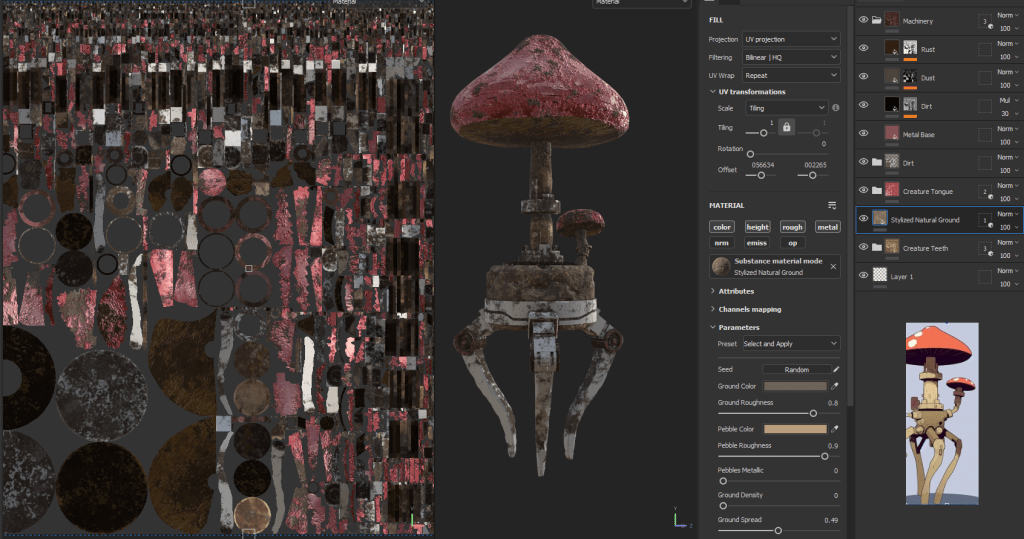
Probably what I’m most excited about, and some of the most rewarding moments have come from getting down my pipeline from a concept image to an animated and textured model fully implemented in Unity. Getting everything to work as intended is actually a pretty meticulous process that demands precise attention to detail and has many hidden nuances. Getting the models to translate between programs is tricky enough, let alone how topology, UV wrapping, and rigging works.
Unity Systems
When I say “systems,” I’m referring to the scripts that make things like collectable objects, inventory managers, and UI elements talk to eachother to emerge as a system that makes up game mechanics.
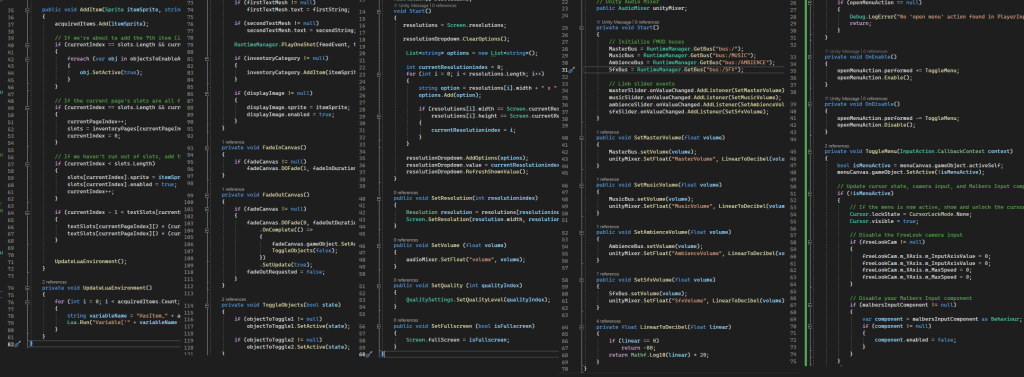
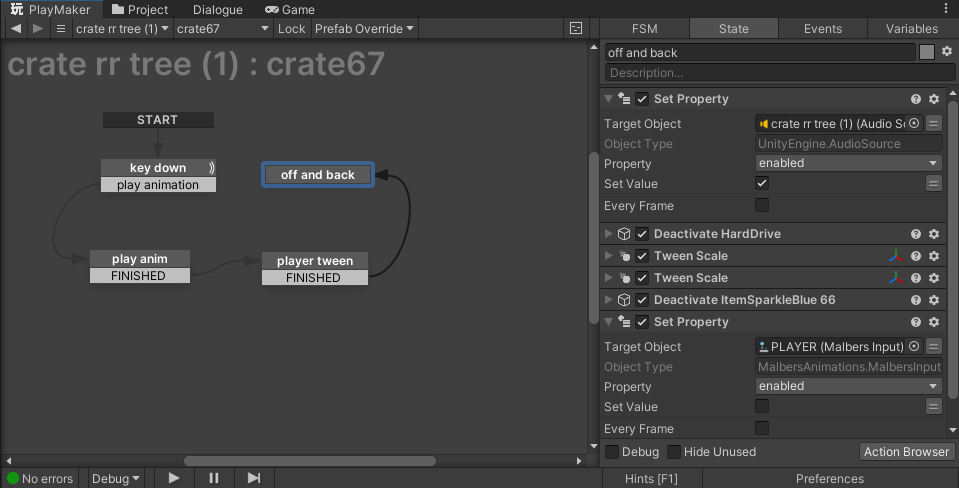
most of this is done via C# scripts of which I’ve written dozens of, totaling hundreds of line of code. Smaller systems like doors, and AI pathing can be taken care of via visual scripting, or “finite state machines” which function the same way as scripts but are designed via nodes that lay out each step of the process.

Perhaps the biggest system I completed and integrated this year was an inventory system that tracks multiple classes of items, updates the array in order of items acquired and is fully integrated into the user interface. Funny enough, I’m already planning on redesigning the UI and player menus. The joy of iterations…
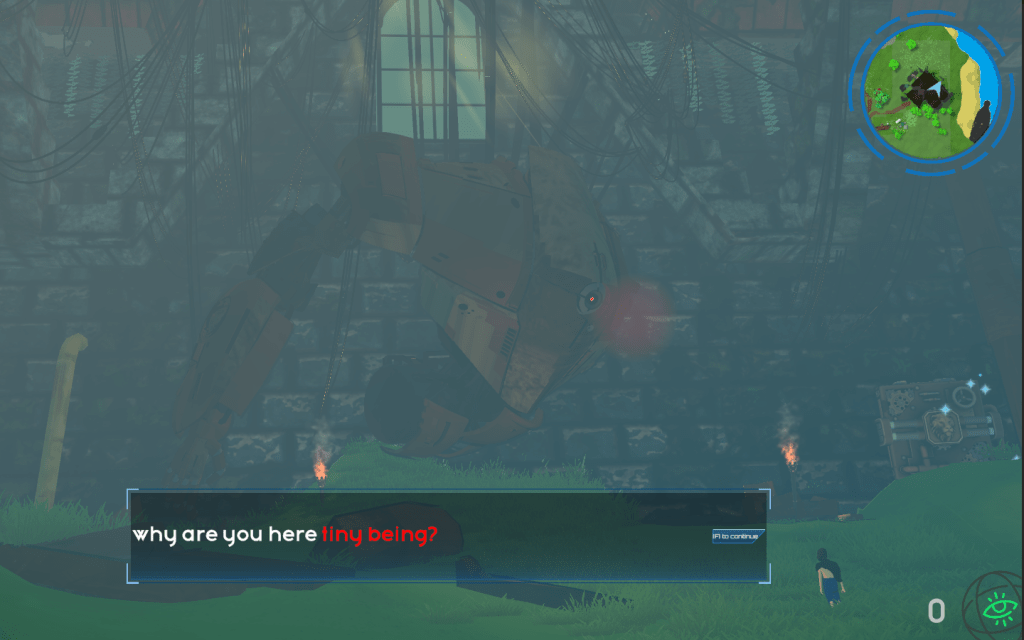
I’m also using Pixelcrushers dialogue system which uses Lua (a seperate scripting language from C#). This asset allows me to check for items, dialogue choices and more as well as providing a simple way of creating dialogues that integrates Unitys event system (meaning I change parameters, and execute scripts according to sequences in the dialogue)
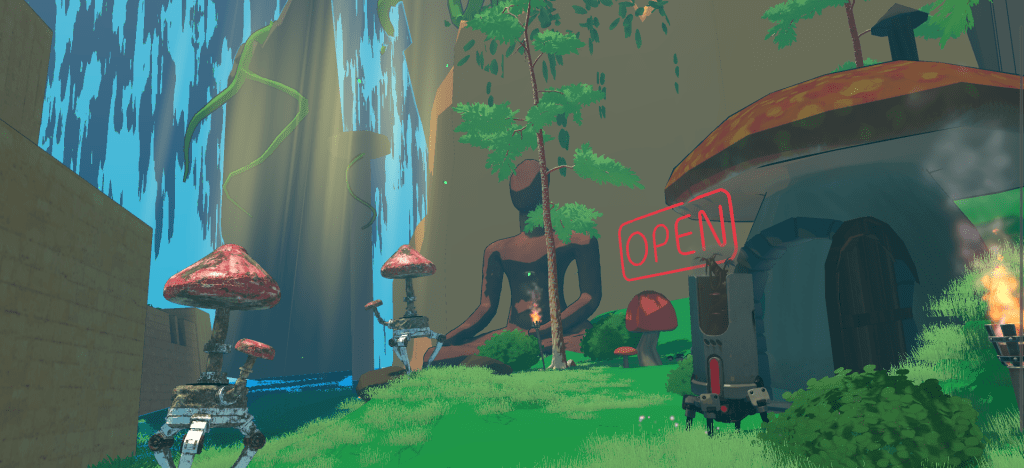
Then there is the camera, which in Unity, is called cinemachine. I’ve spent a good bit learning the ins and outs of it. Quite a lot goes into managing the camera, following the player, cutscenes, transitions, tightening framing for interior scenes, collision detection and obstacle avoidance, occlusion culling considerations, and so much more. I’m continually working to fix clipping issues and tweaking the aim and damping, honing in on the perfect blend of control and framing.
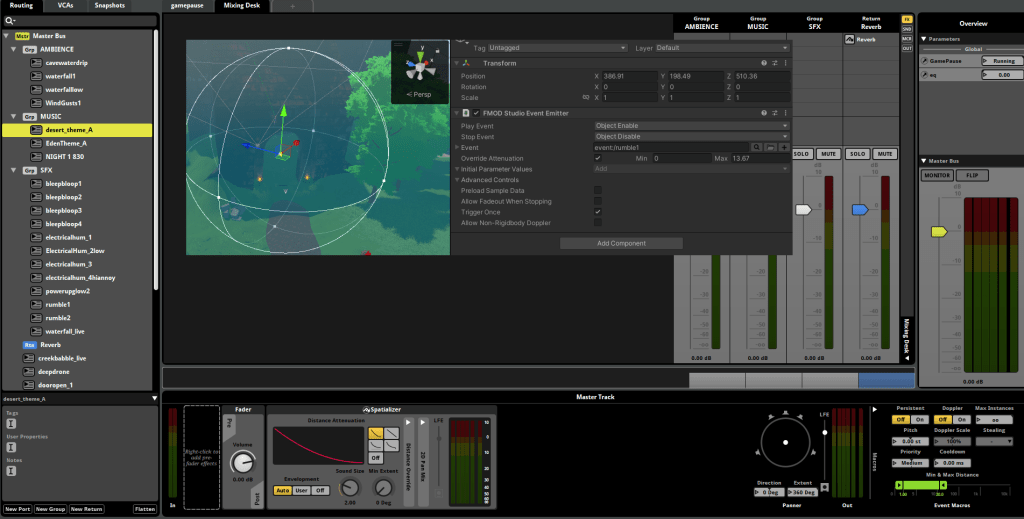
Another program I learned and integrated this year is called FMOD, a Digital Audio Workstation (DAW) that can trigger sounds and mixing events through code in Unity. It’s an opportunity for a totally new approach to music, triggering melodies and more from environments and interactions, instead of the traditional linear listening experience. I finished over 40 minutes worth of music this year for this project, but I wrote it all in Ableton (a separate software from FMOD) and as a result most of it plays out linearly. Some of it is great and some of it is too attention grabbing in my opinion. This year, I want to work on more ambient tracks created with environmental triggering in mind.
World Design
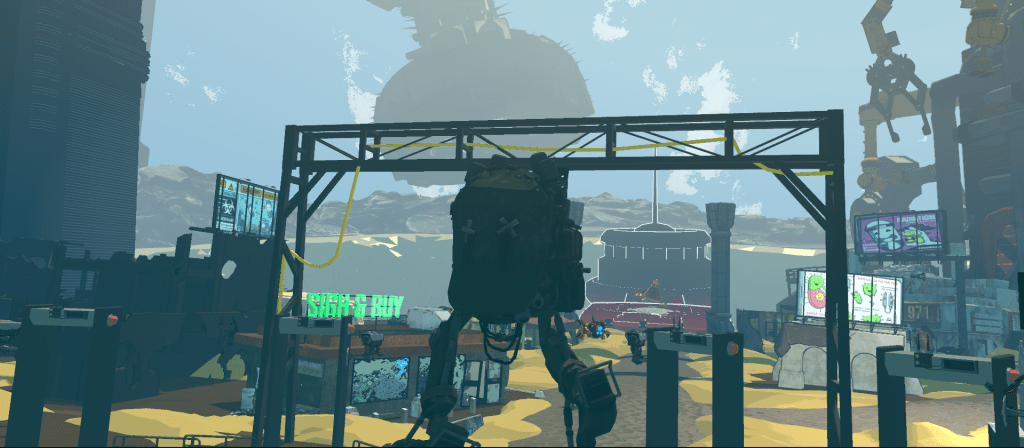
The last tenet of game design I’d like to talk about is the world design itself. World design takes a lot of time, a lot of detail, and it has its own systems to consider such as colliders, AI pathing, terrain elements, and occlusion culling. It starts with blocking the simplest shapes and proportions, maybe some reference objects and proportions to mark out areas of interest. Then, you iterate a thousand times until you’ve gone from the biggest picture, to detailing every square inch. And so I spent a good chunk of time just doing that. I redid a lot of things to get proportions and camera angles right, and still have further iterations ahead.

To sum it up, it feels like I’ve spent the last year learning how to ride a bike, if riding a bike required sifting through forums, google, and AI to understand each separate tiny part that makes up bike riding as a whole. I’ve been learning all these different tools a vehicle for my vision and ambition, but I have a lot of work ahead to make that all manifest. For anyone who has read this far and shown interest in this project, my heartfelt thanks for all your support this year! Here’s to another one!
8/10 – Roadblocks & Revelations – version 0.5

Well here we are, 6 months in, and its been wonderful to reflect on how much this project has evolved and taken shape. This summer, life brought joys, sorrows, distractions, and progress.
What rings true is the more you know, the less you know. The further I climb, the steeper it gets. In true sisyphean fashion, for each problem I solved, 2 new ones emerged.
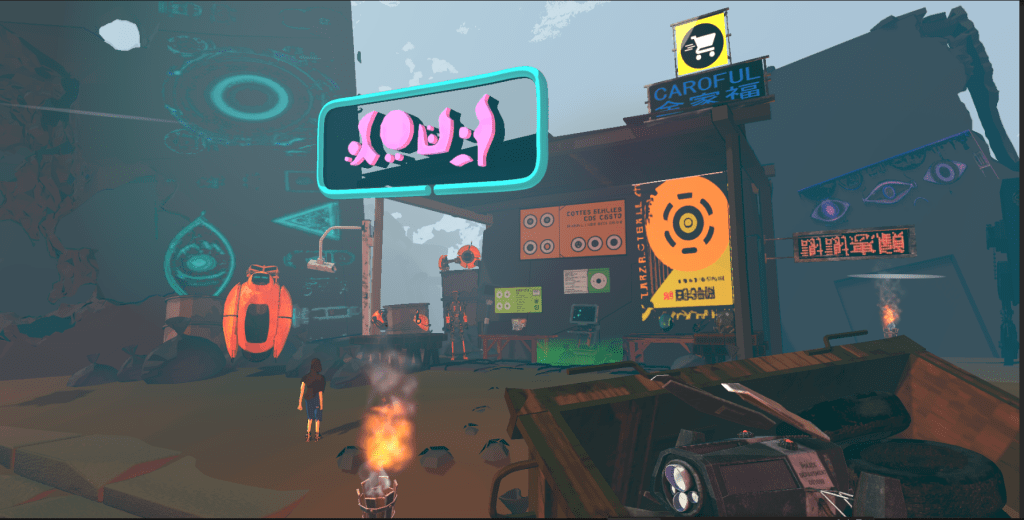
Sometimes, a moving goalpost can feel a bit disheartening, and on top of that, the roadblocks began to “grow” inside my head. Anxiety blew them out of proportion until they were overwhelming, and it was difficult to even get started. Eventually I made the time, and I sat down to take a crack at them one by one, and one by one they immediately shrunk as I figured them out until they disappeared entirely by my doing. When we start solving problems, they can become so much smaller than we imagined.
And finally, breakthroughs come after diligent headbashing. How sweet, the reward of watching the puzzle pieces finally falling into place, revealing the path forward.
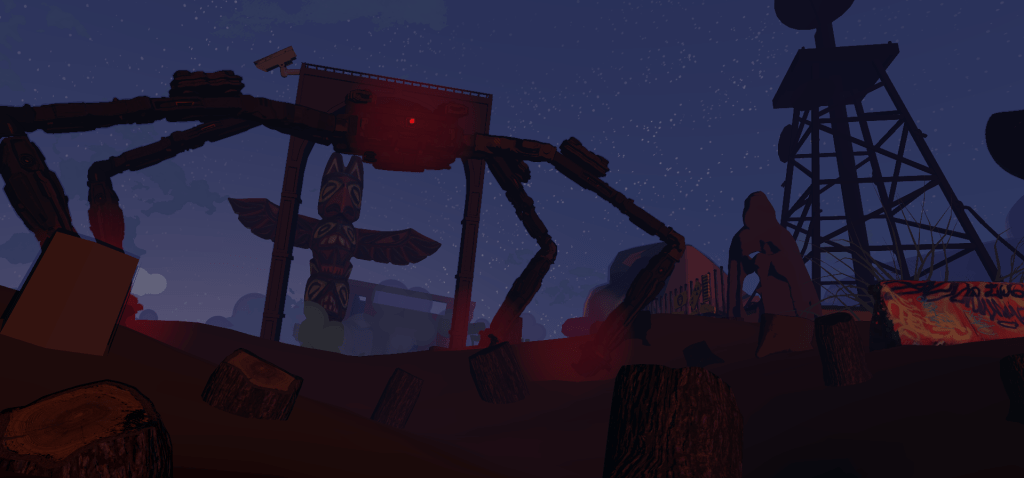
There are still a few challenges looming overhead, but most of them are complex little intricacies that I can study and ponder while I work on the meat and potatoes of the actual game and story.
A lot of this project feels like an exploration of time itself. Staying dedicated and committed to this project has been a considerable challenge. Sticking with it has allowed it to crystalize into something formidable. My entire development journey so far has been 6 months, with about 750 hours of actual “work” by my own tracking. They say it takes 10,000 to master something, so I should get back to it.
5/30 – Spring & Systems – version 0.4
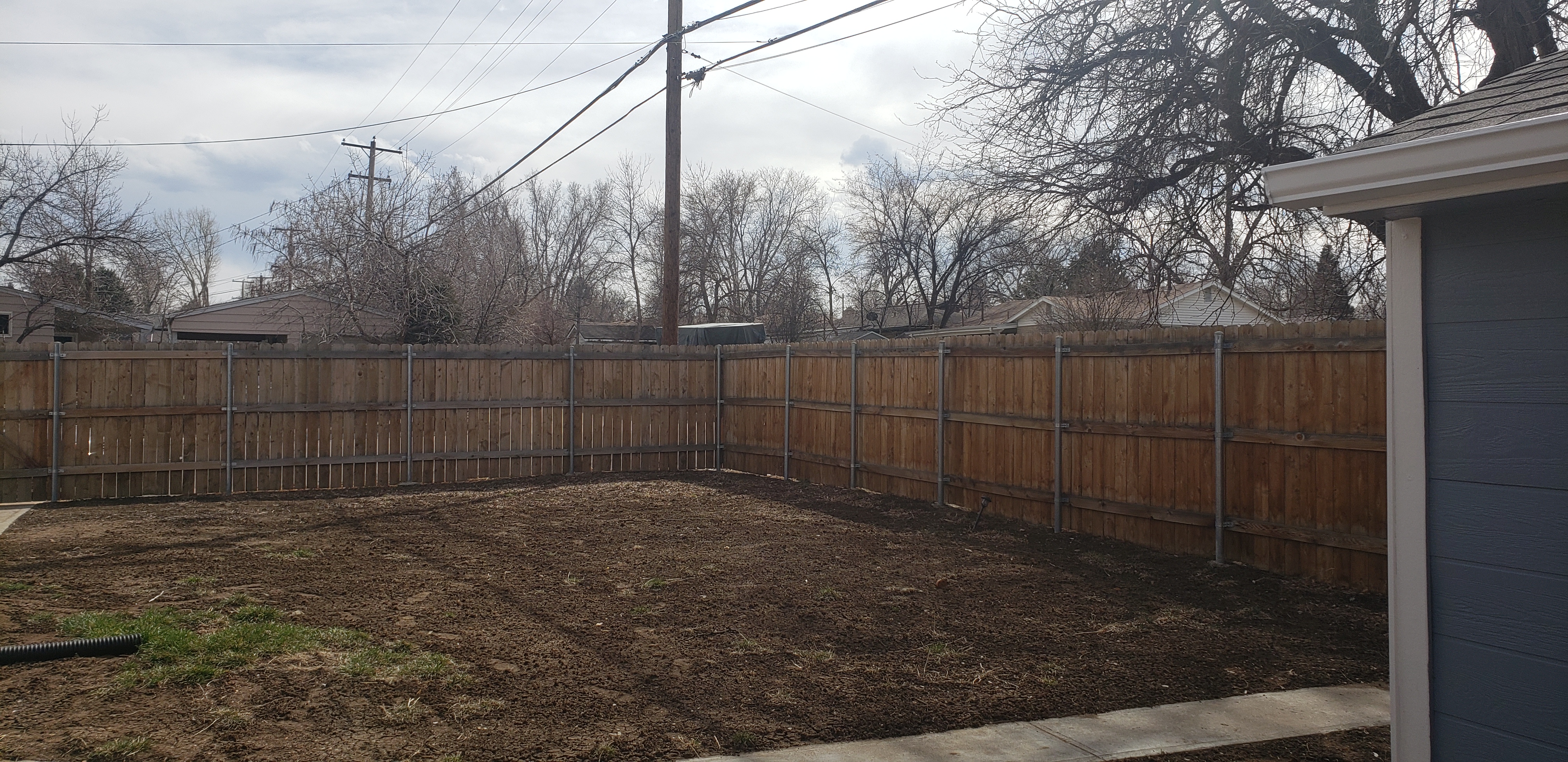
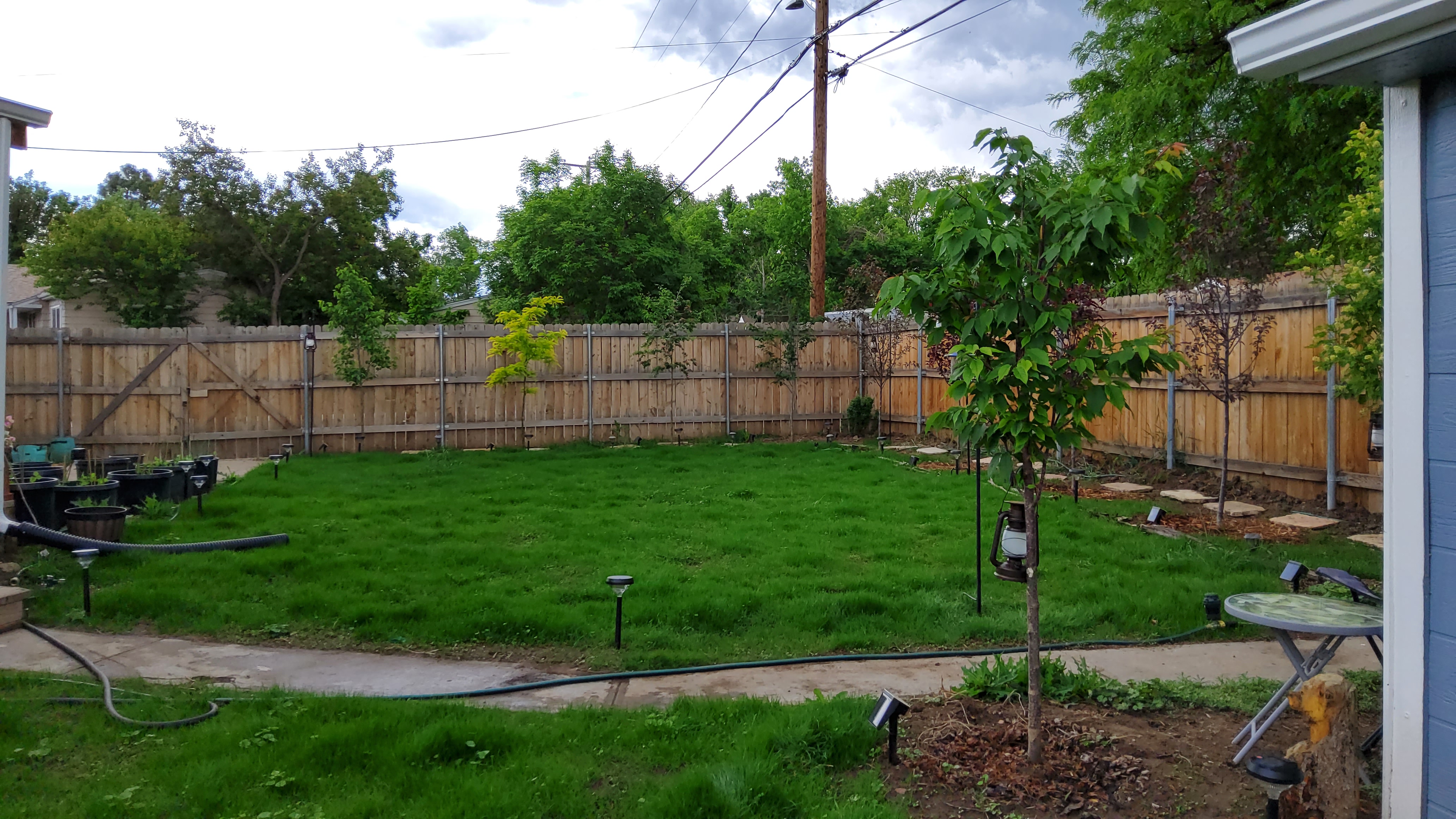
I live in a small funky house with a big dirt lot that I’ve now turned into a flourishing ecosystem. In this month alone, I planted 1100sq feet of grass, 7 trees, 3 mature lilac bushes, and 15 pots of peas. It was hard work, but it continues to pay off. To sit in your own garden, your tailored ecosystem birthed of dirt is unlike anything else. I had spent the last 3 months designing a virtual world and now I took the time to work on the real one.
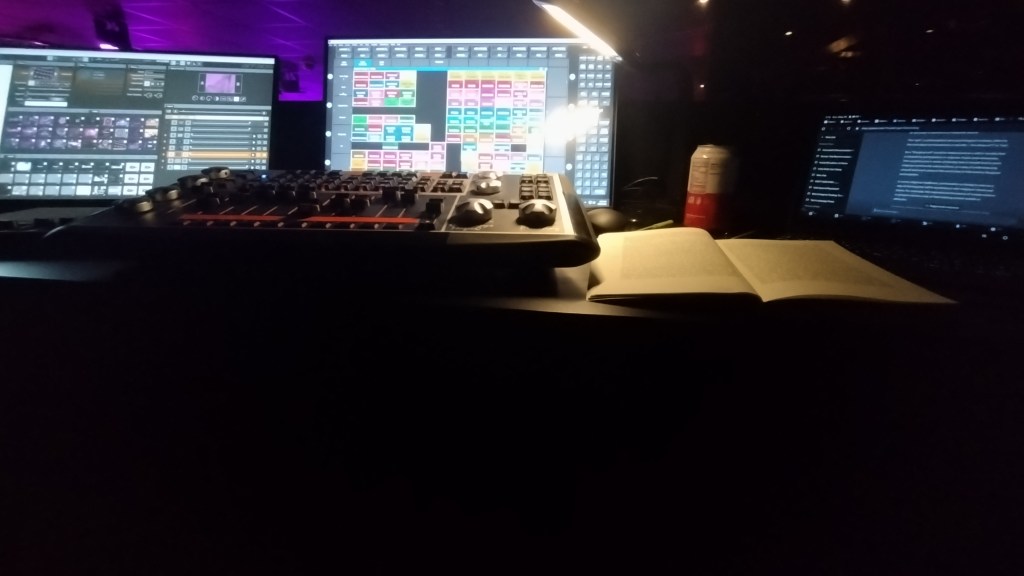
POV: absurdity
I’ve started reading books again. This month I’ve read The Prophet, The Oversoul, Walden, and my personal favorite, the Tao Te Ching. The idea of the Tao has profoundly resonated with me and my vision for this project. I would read as I worked, operating lights in nightclubs. An absurd idea, but there was something to letting philosophical ponderings roll around in my mind while I listened to EDM and ran a light show…I felt more in sync, more reflective of the music… absurd to say the least, but what can I say, true story bro. I could go on at great lengths, but lets get to the good stuff. Here’s some actual game progress:
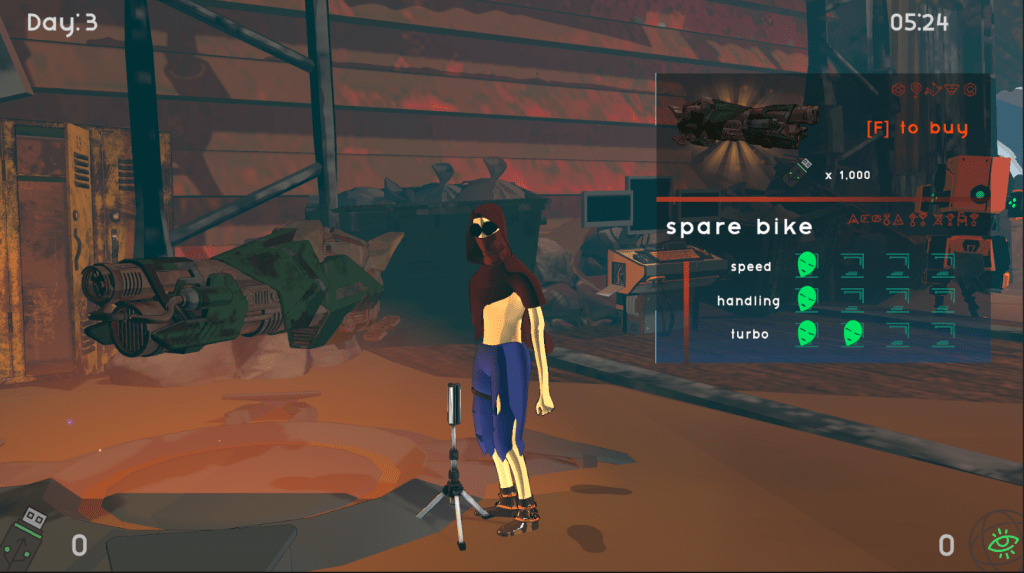
While I spent less time overall on the project this month, my actions were swifter and farther reaching. I set up all the menus, a sketch of the opening sequence, established an LLC, published this website, a lot of zooming in on the sculpting of the world design, oh and that whole birthing a real ecosystem thing.
The start, pause, and options menu are commendable accomplishments because they mark the first time I’ve actually written (not just copy pasting) code over 50 lines, and having it compile correctly! I understand C# a bit deeper now versus just blindly following tutorials, but I still have a great length to go.
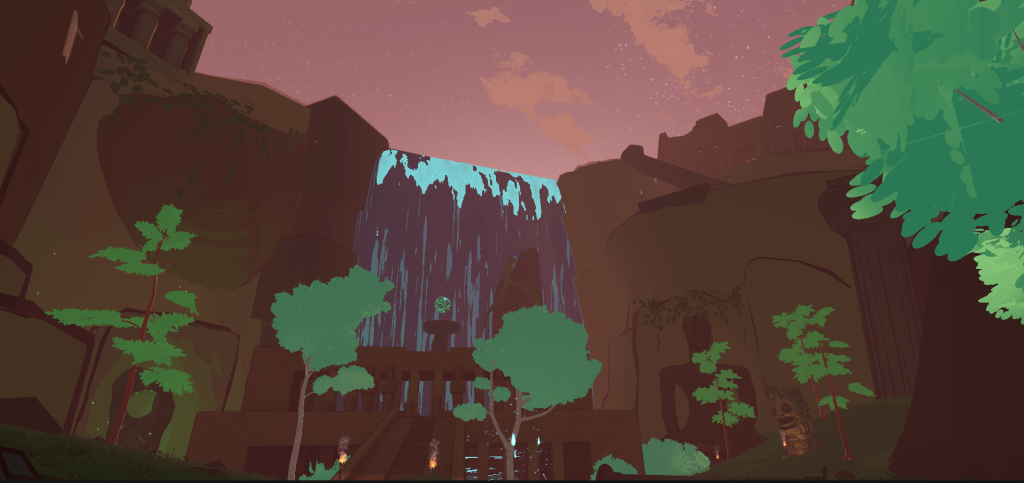
The real “neat” part about this month’s progress is that there’s now a “working build” that I can now share with a few friends, artists, and musicians to get some more “art balls” rolling
If you’re interested in checking out one of the future early builds be sure to sign up via the connect section !
5/3 – version 0.3
First, a bit of context…
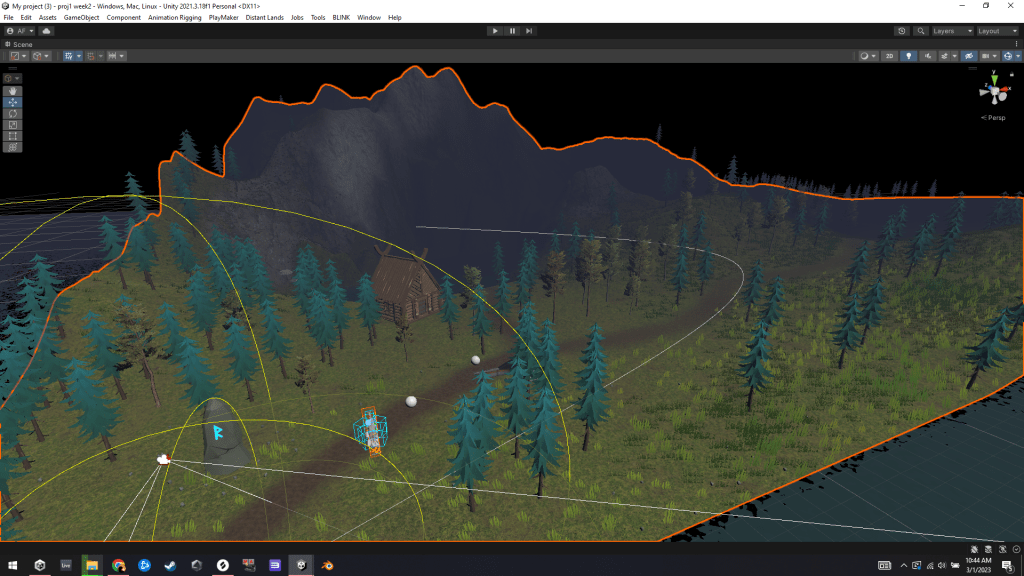
On February 3rd, I opened up Unity for the first time, just trying to get my feet wet. Little did I know, I’d end up diving right in. I remember learning what a mesh collider was and having my mind blown. A week later, I downloaded Blender, which was a bit more of a struggle. However, learning both software programs and discovering what was possible within them brought me great joy. I made a couple of quick projects, small collectathons, trying to learn the basics. Within a few weeks, I had reached the point where I was understanding shaders, allowing me to achieve a cel-shaded comic book art style.
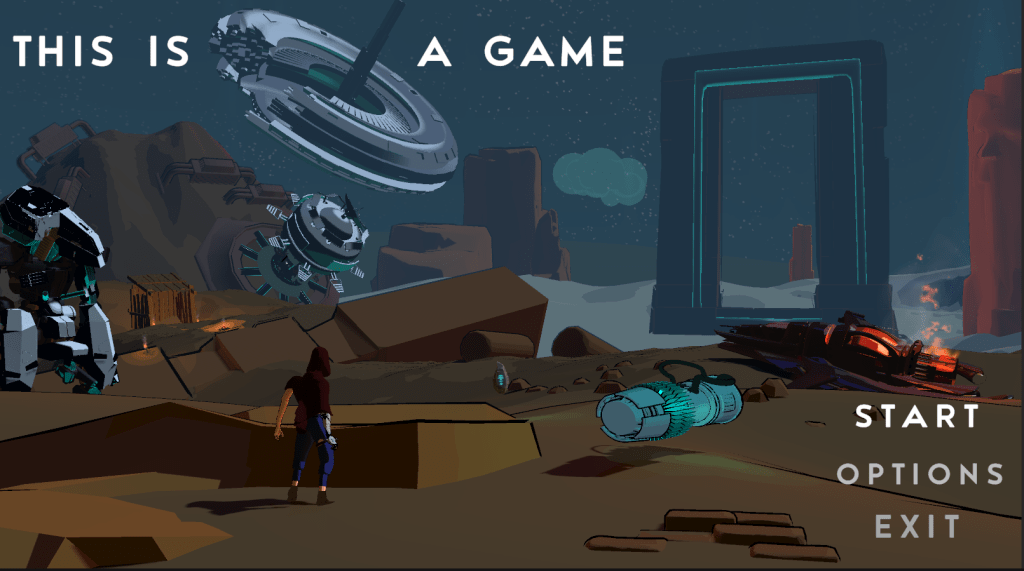
At the time, figuring out how to do this sort of color banded shading was the largest hurdle I was facing. Solving it meant I really could make the game I had been dreaming of. With that in mind, I decided to commit to not only completing, but also to publishing it. The pursuit of publishing helps me set goals and outlines the wide range of topics I need to understand.
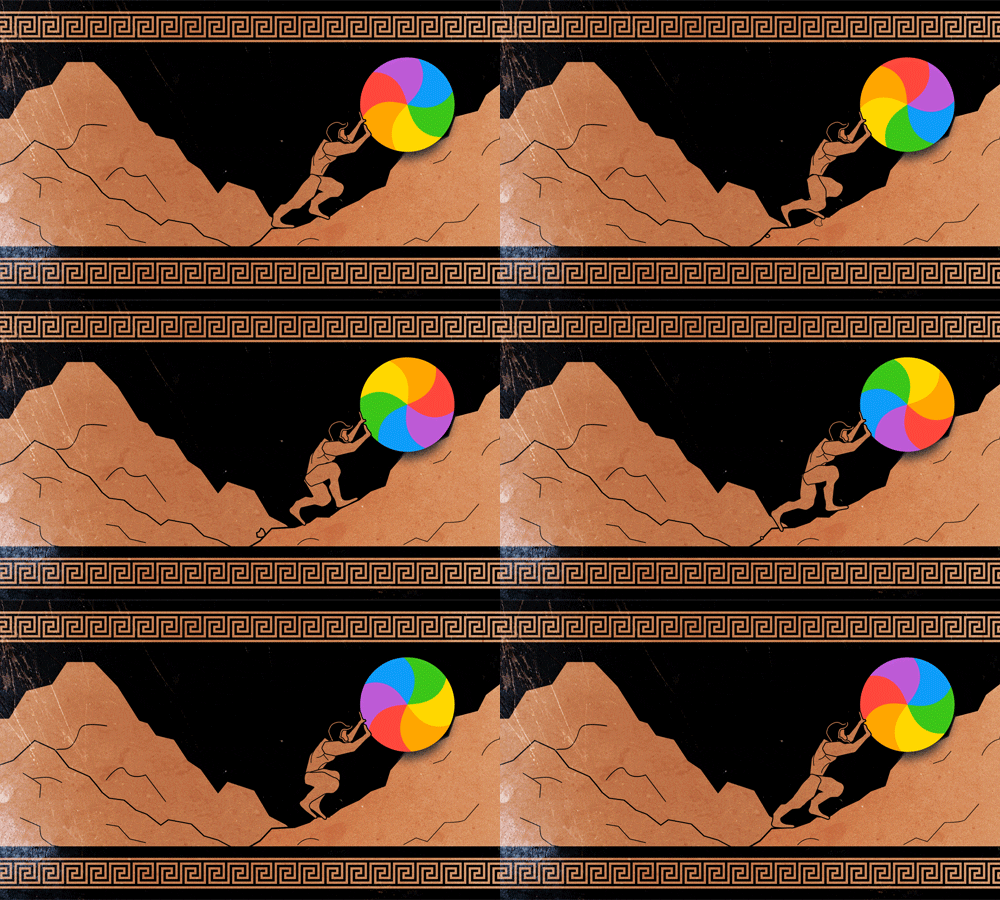
The amount of understanding across such a wide range of concepts, programs and their intersectionality is massive, Sisyphean, or as I like to think of it, like eating an elephant. So how do you eat an elephant? One bite at a time. And just like Sisyphus, I am excited to wake up every morning to find my boulder rolled back to my feet, ready to be pushed up the hill again.
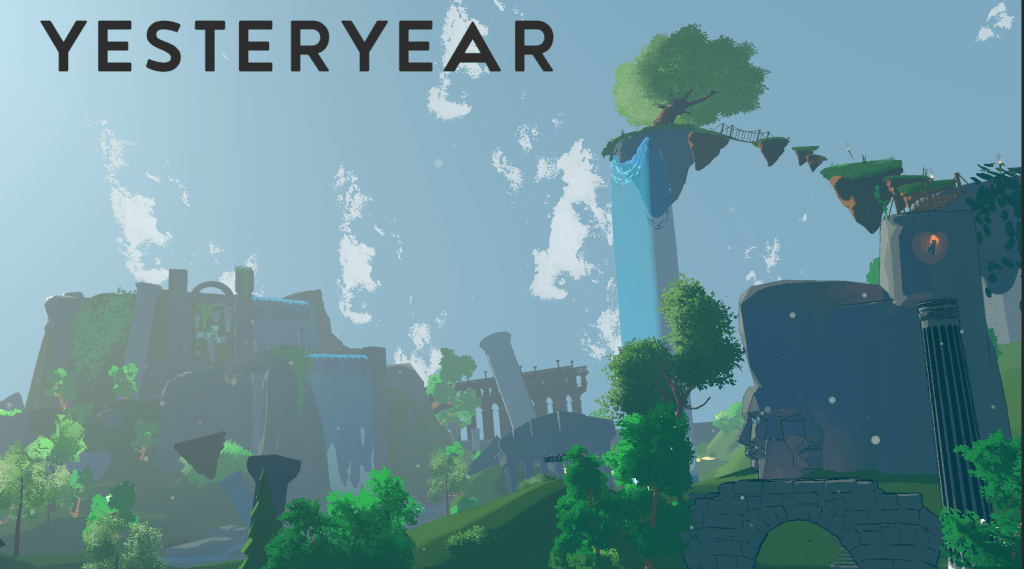
I’m a solo developer trying to create an open world 3d Sci-Fi RPG. That is pretty crazy. Red Dead 2 took a team of 1,000 developers close to a decade. I’m just one person and I’m a noob. Most my time is spent bashing my head against the wall until it comes down. I’m not a real developer…yet. My working demo has been coming along well, with hopes of crowdfunding more unity and blender talent to realize Yesteryear’s fullest potential as an art-piece and as a videogame.
That being said, what is going on with developers?
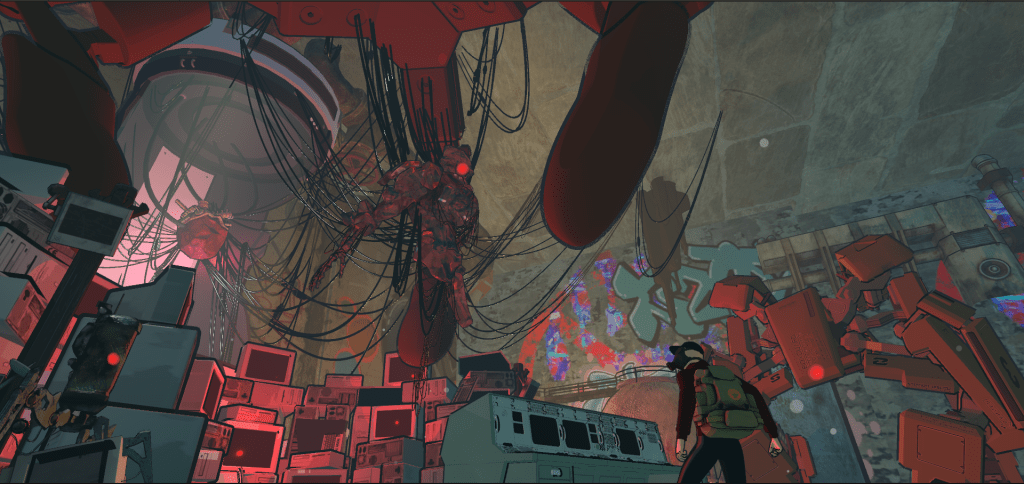
With studios, with publishers? Red Dead 2 and others aside, videogames have been rather lackluster lately. To me this is for two reasons, the first being mostly personal. In response to this, Yesteryear will be a unique blend of certain mechanics to create a resonant experience. Second, videogames seem to have fallen victim to the cyclical nature of capitalism and lost their artistic purity or essence in the exchange for $. We have witnessed time and time again, publishers gobbling up studios to push rushed products focused more on extracting wealth from whales and children than providing meaningful experiences. Part of my mission is to prove what people are capable of and show just how goofy some of these triple A studios are.
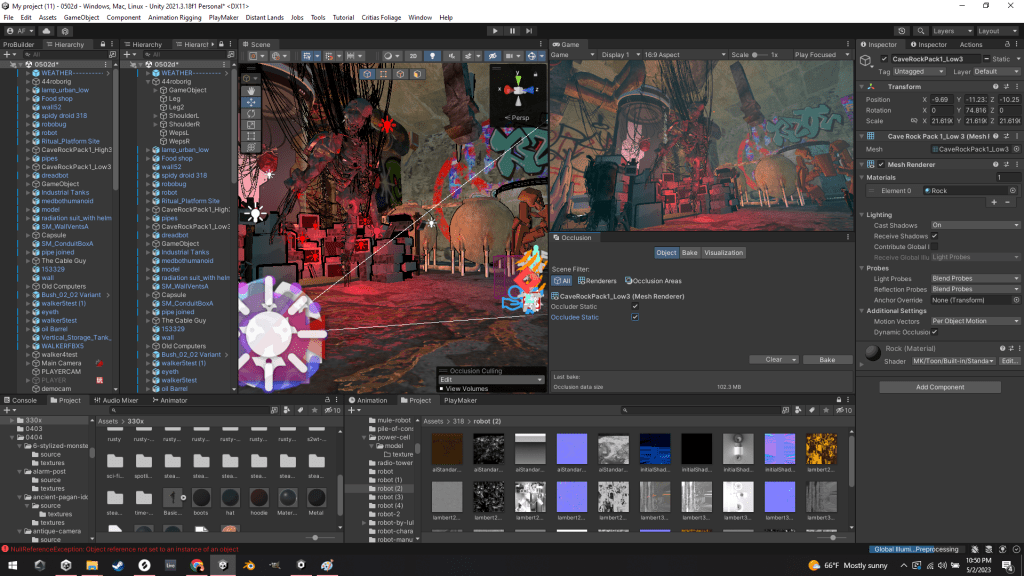
Currently, I am working on learning and implementing procedural animation with Unity’s inverse kinematic system and C#. Procedural animation is a fascinating intersection of code, art, and functionality, but it demands a deep understanding of each aspect.
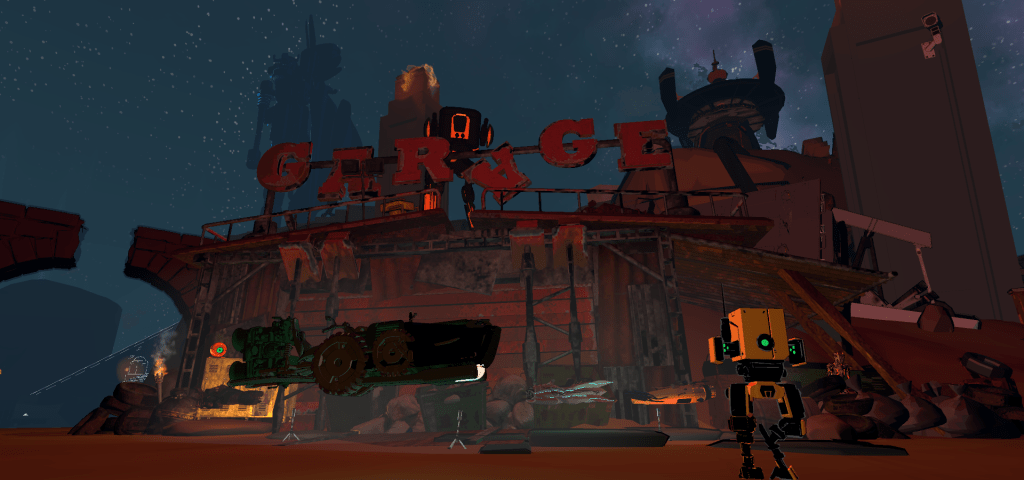
There is still quite a lot more to this story. I hope to expand on it further through this website, more blog posts, and the game itself.
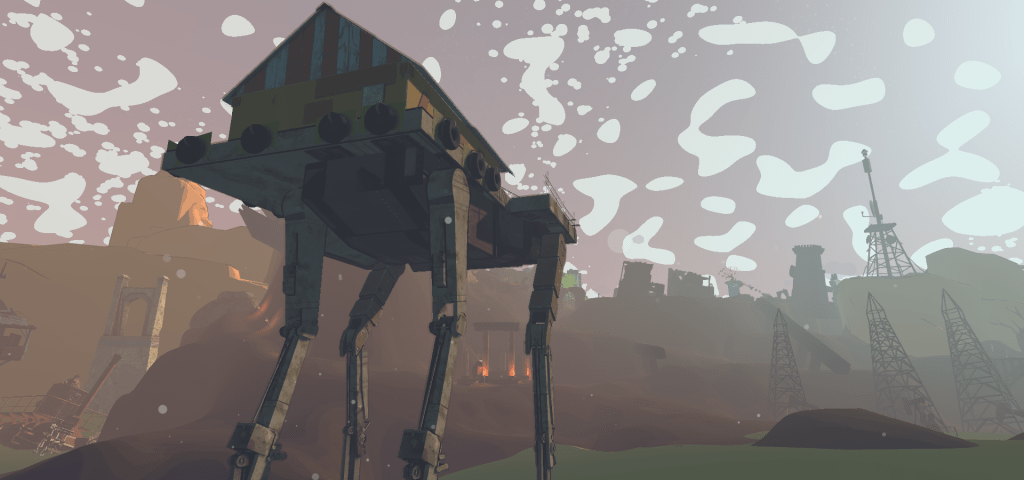
 Yesteryear